
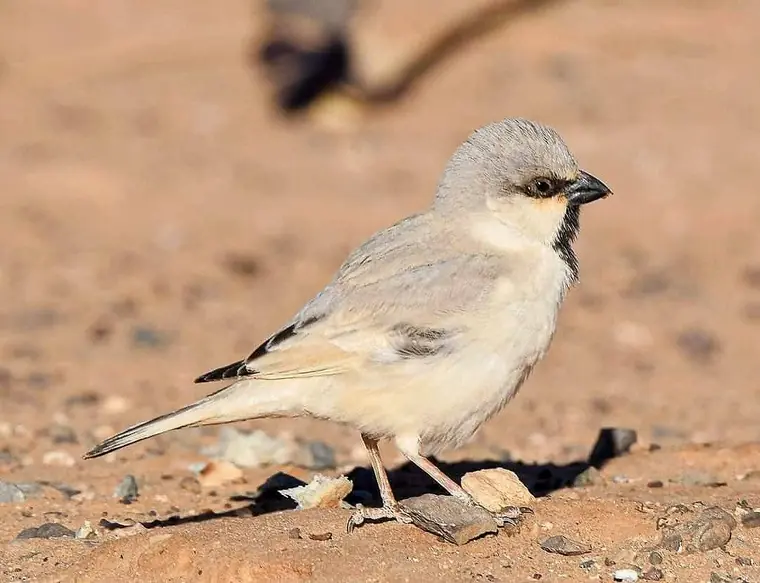
Desert Sparrow
Passer simplex
Pale, clean-cut and confiding. The signature bird of the Merzouga sand sea.
Merzouga, Rissani

Birds of Morocco
Morocco holds the richest birdlife in north-west Africa — Maghreb endemics, Saharan specialists and huge numbers of migrants. Here are 36 of the species we look for, grouped by the habitat where you will find them.
Desert & Sahara
The dunes, hammada and palm groves of the south-east hold Morocco’s most sought-after desert species. Early morning and late afternoon are everything here.
Passer simplex
Pale, clean-cut and confiding. The signature bird of the Merzouga sand sea.
Merzouga, Rissani

Alaemon alaudipes
Long-billed and long-legged, with a striking song flight over open hammada.
Merzouga, Guelmim
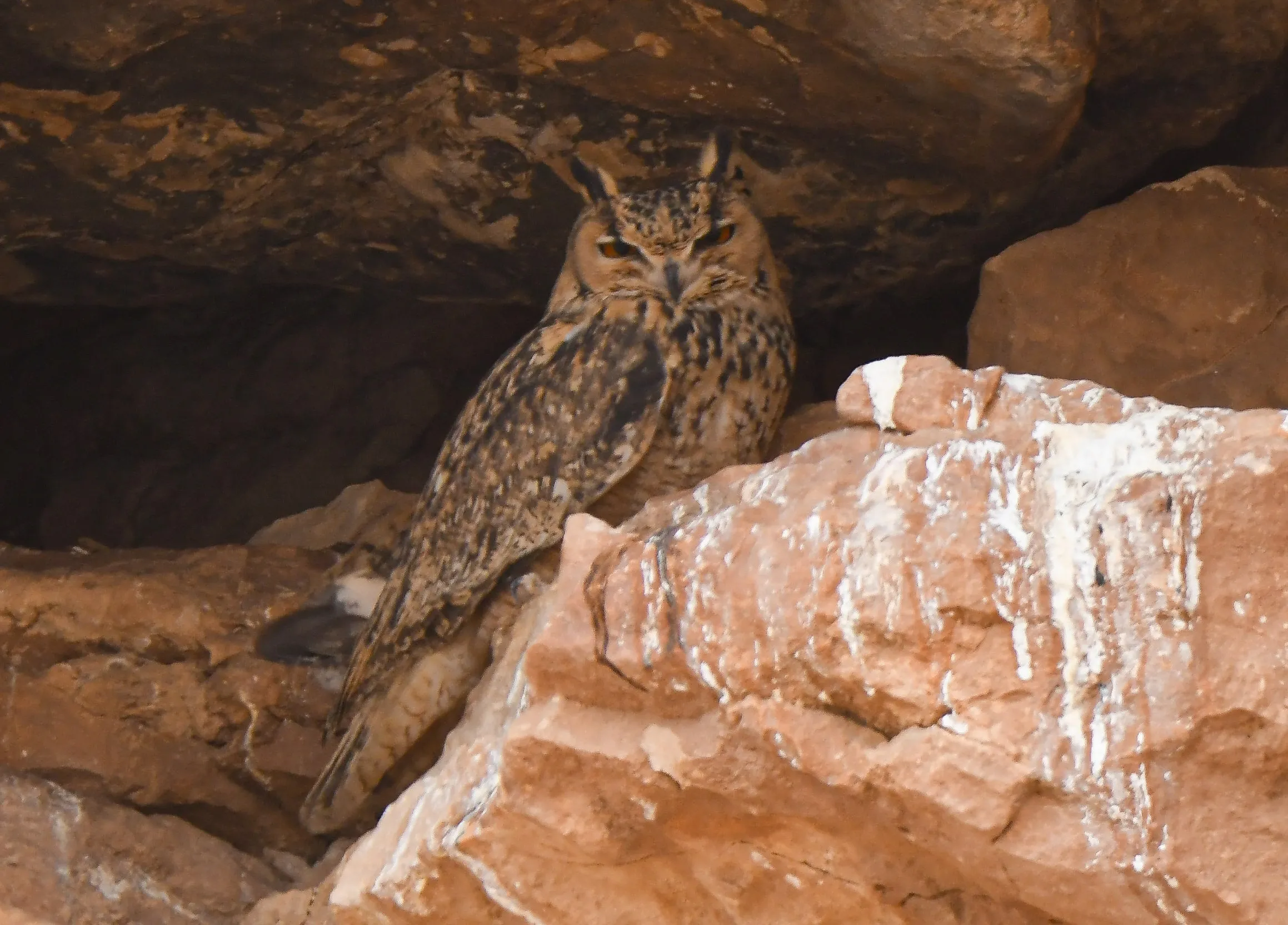
Bubo ascalaphus
Roosts on rock ledges and in gorges. We know several reliable sites.
Desert gorges and escarpments
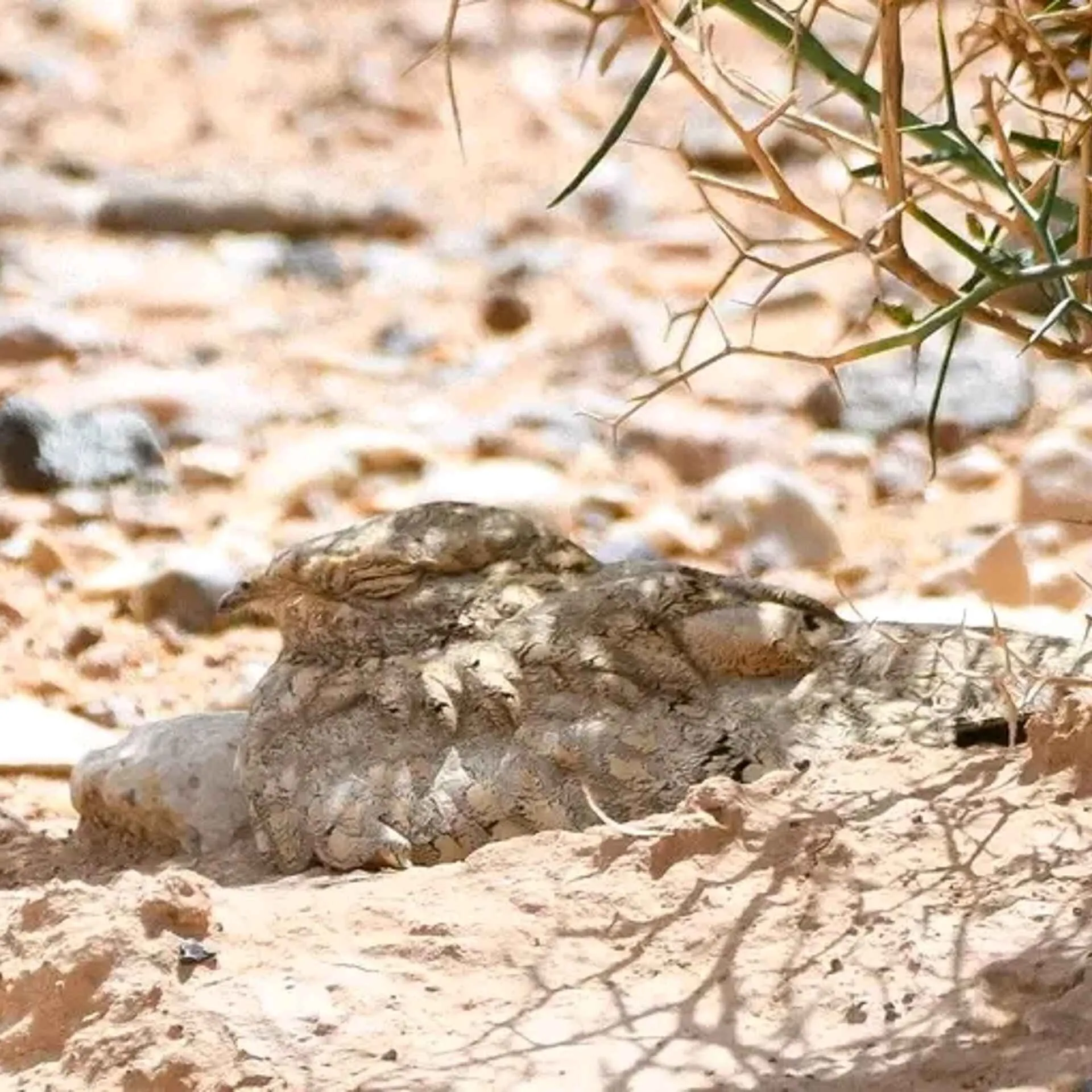
Caprimulgus aegyptius
Almost invisible at its daytime roost on open ground — one to be shown, not searched for.
Merzouga

Curruca deserti
Sandy and slight, working low scrub on the hammada.
Merzouga, Guelmim

Pterocles coronatus
Comes to drink at dawn, arriving fast and low over the hammada in small parties.
Merzouga, Erg Chebbi
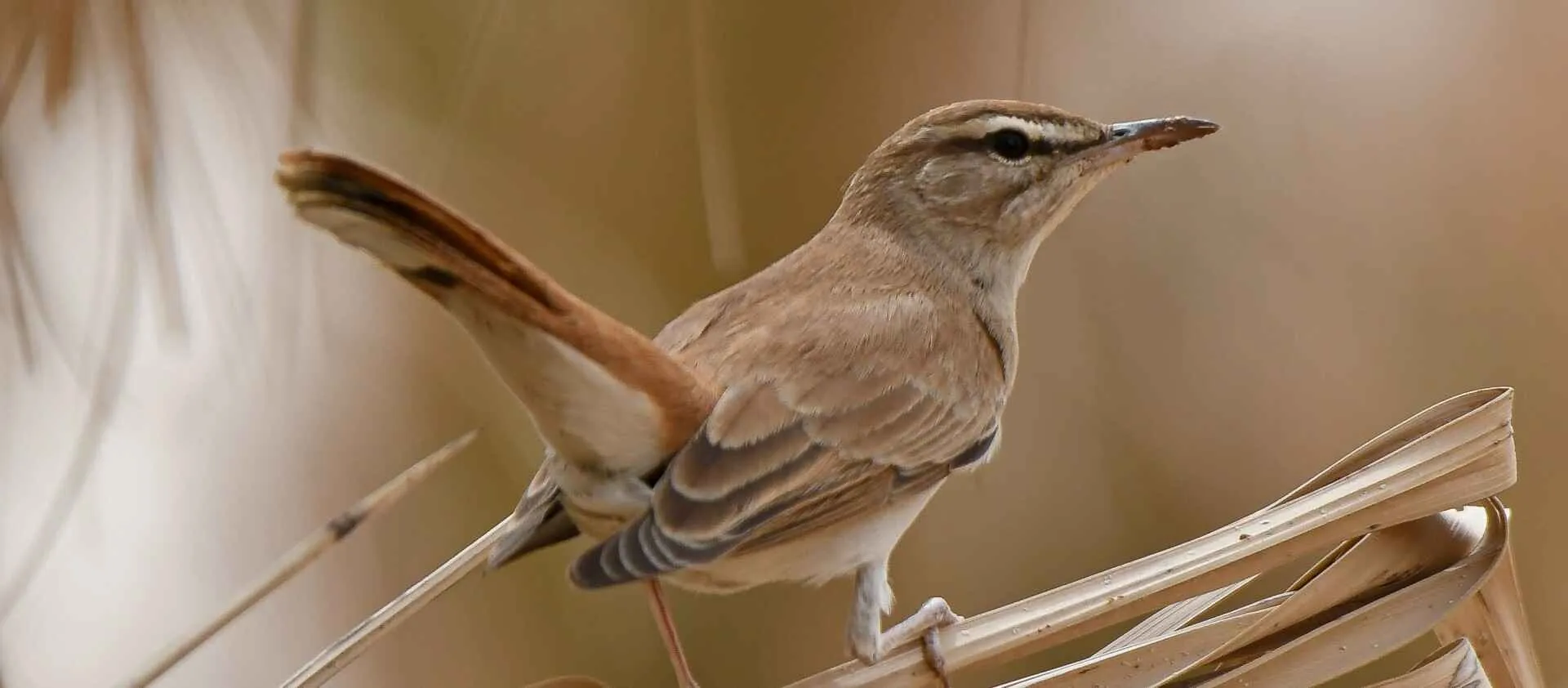
Cercotrichas galactotes
A summer visitor to palm groves and scrub, cocking and fanning its rufous tail as it moves.
Palmeries and desert edge
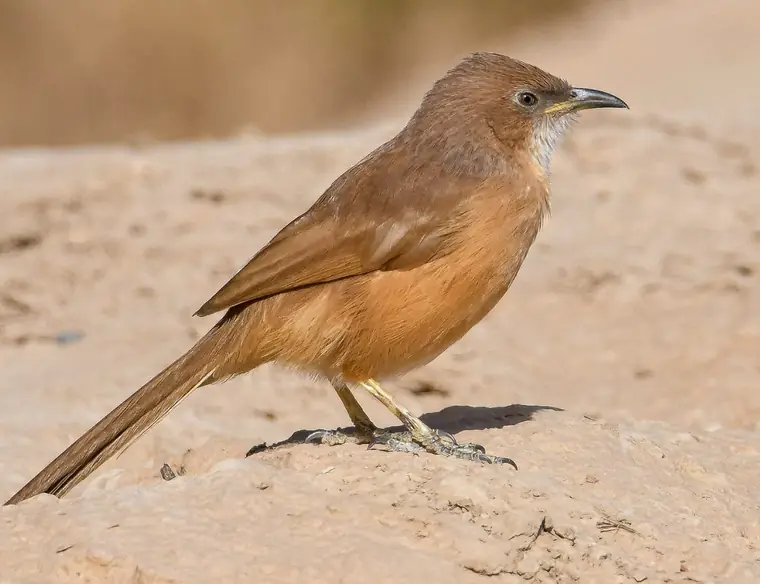
Argya fulva
Travels in noisy parties through palm groves and tamarisk.
Merzouga, Rissani

Scotocerca inquieta
Long-tailed and restless, low in desert scrub near wadis.
Wadis and desert edge

Pterocles senegallus
Long-tailed and sand-coloured. Flies in to drink at first light, often in numbers.
Merzouga, Erg Chebbi
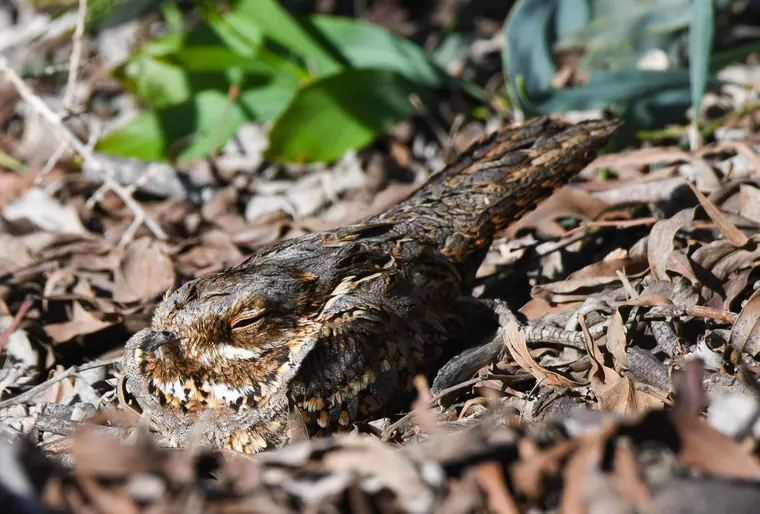
Caprimulgus ruficollis
A summer visitor, hunting at dusk over open sandy scrub and along quiet roads.
Souss Valley, desert edge
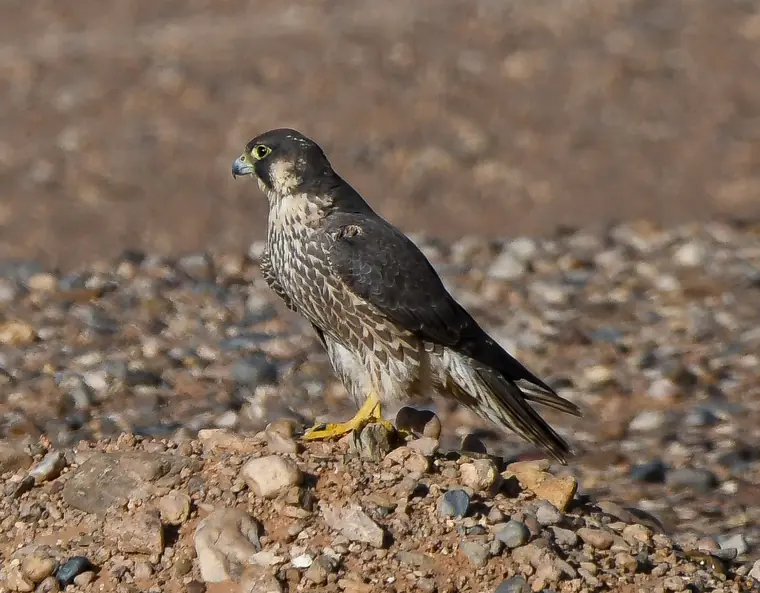
Falco pelegrinoides
The desert peregrine, hunting fast and low along the dune edge and escarpments.
Merzouga, desert cliffs
Atlas Mountains
From the cultivated valleys above Marrakech to the snowline at Oukaimeden, the Atlas holds most of Morocco’s high-altitude endemics.

Rhodopechys alienus
The prize of the High Atlas. Check the snowline and boulder fields at Oukaimeden.
Oukaimeden

Eremophila alpestris atlas
The distinctive North African form, on short turf and stony ground at altitude.
Oukaimeden, high plateaux

Phoenicurus moussieri
A North African endemic, and one of the most striking birds in the country.
Atlas foothills and valleys

Curruca deserticola
A Maghreb endemic of open scrub on mountain slopes.
Atlas and Anti-Atlas

Oenanthe leucura
Large and sooty, on rocky slopes and around gorges.
Atlas gorges, Dades

Picus vaillantii
The North African green woodpecker, in cedar and oak woodland.
Middle Atlas, Azrou cedar forest

Prunella collaris
A bird of scree and snow patches at the top of the range, easily walked past.
Oukaimeden

Curruca hortensis
Pale-eyed and heavy-billed, in open woodland and argan scrub.
Atlas foothills, argan forest
Steppe & Stony Plains
The Tagdilt Track and the high plains at Zaida are flat, open and deceptively rich — the larks and wheatears here are the reason many birders come to Morocco.

Ramphocoris clotbey
Heavy-billed and boldly marked. Nomadic, so numbers vary year to year.
Tagdilt Track
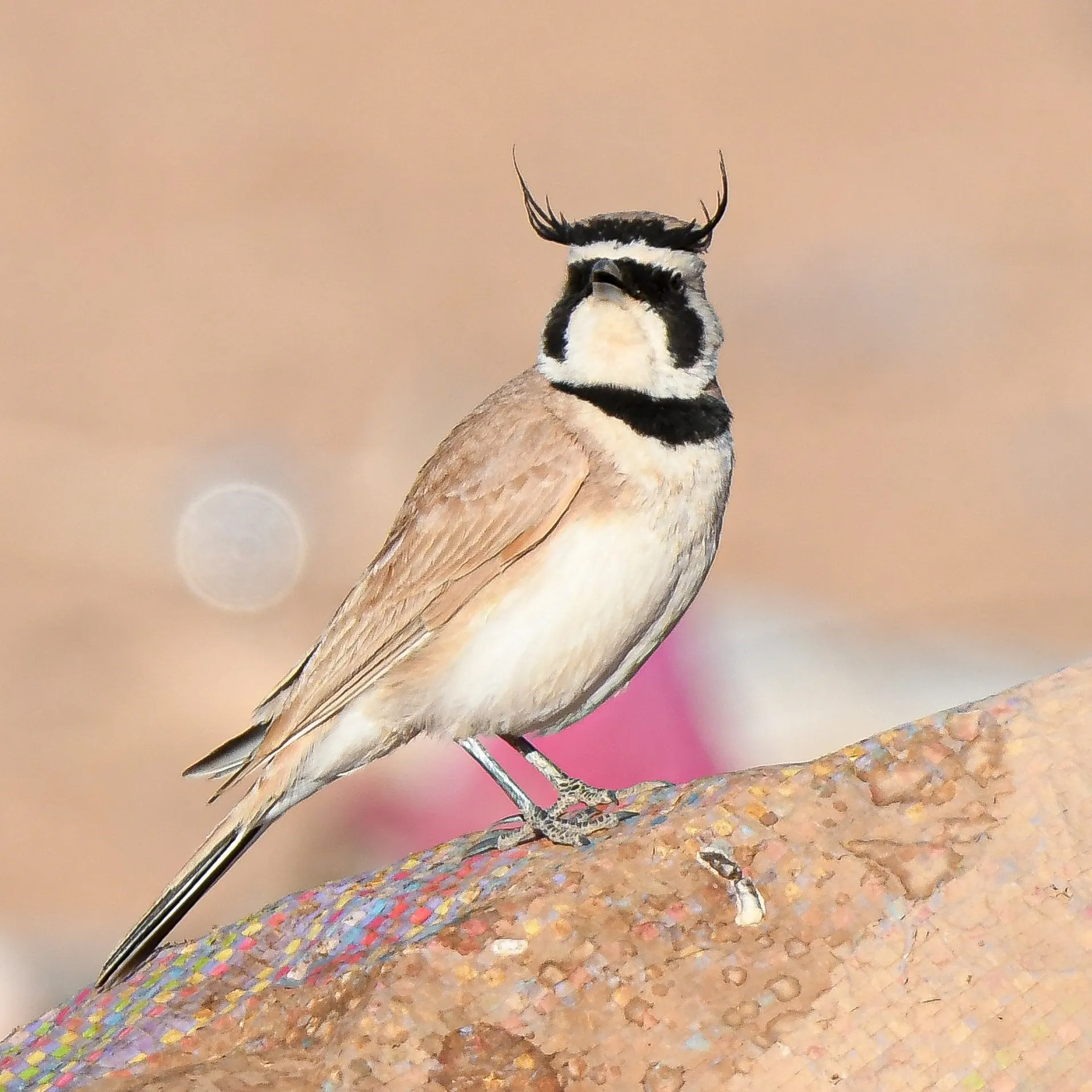
Eremophila bilopha
A small, crisply patterned desert lark of open stony ground.
Tagdilt Track

Cursorius cursor
Runs rather than flies. Easily missed until it moves.
Tagdilt, southern plains
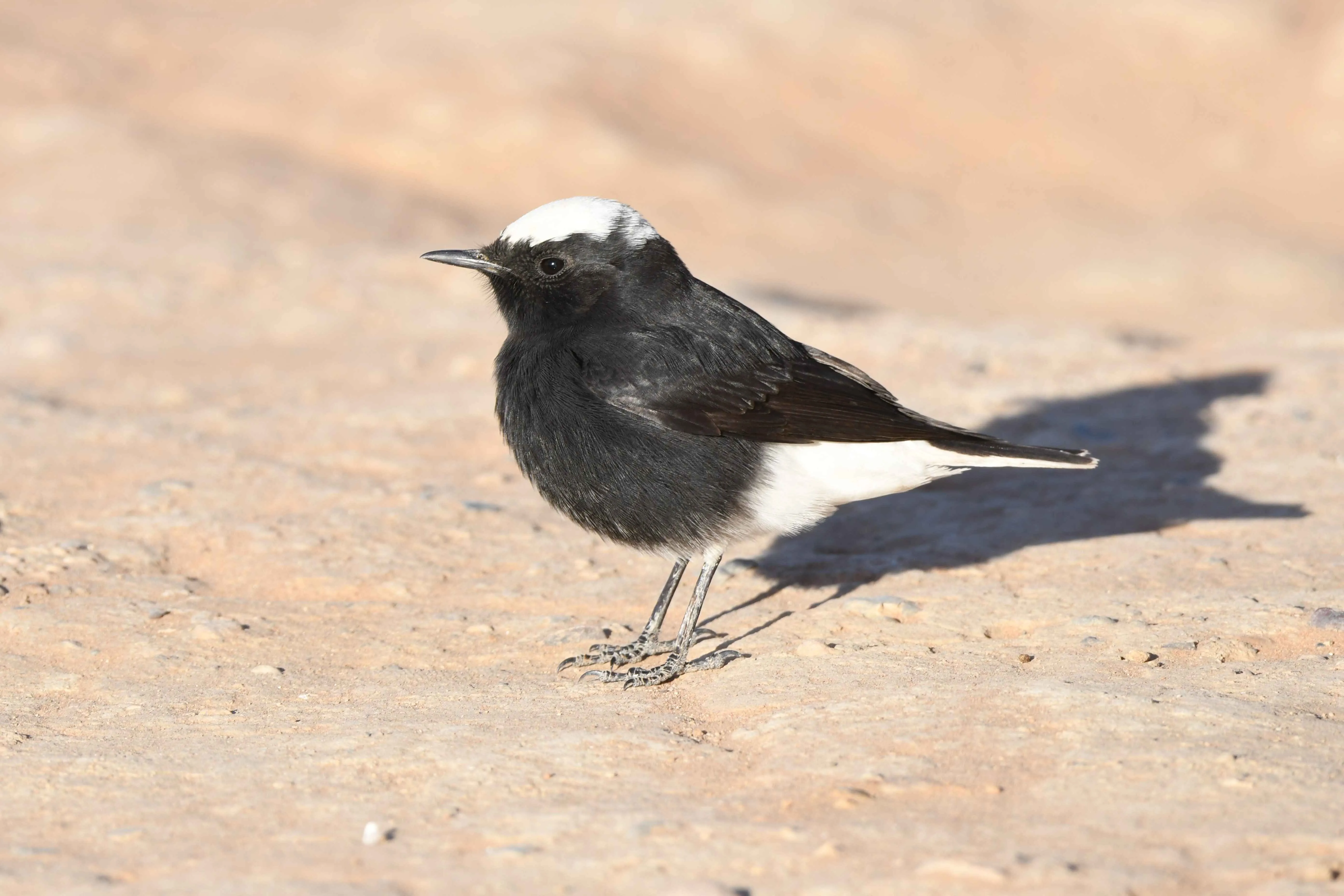
Oenanthe leucopyga
Resident and confiding around desert villages and roadsides.
Throughout the south
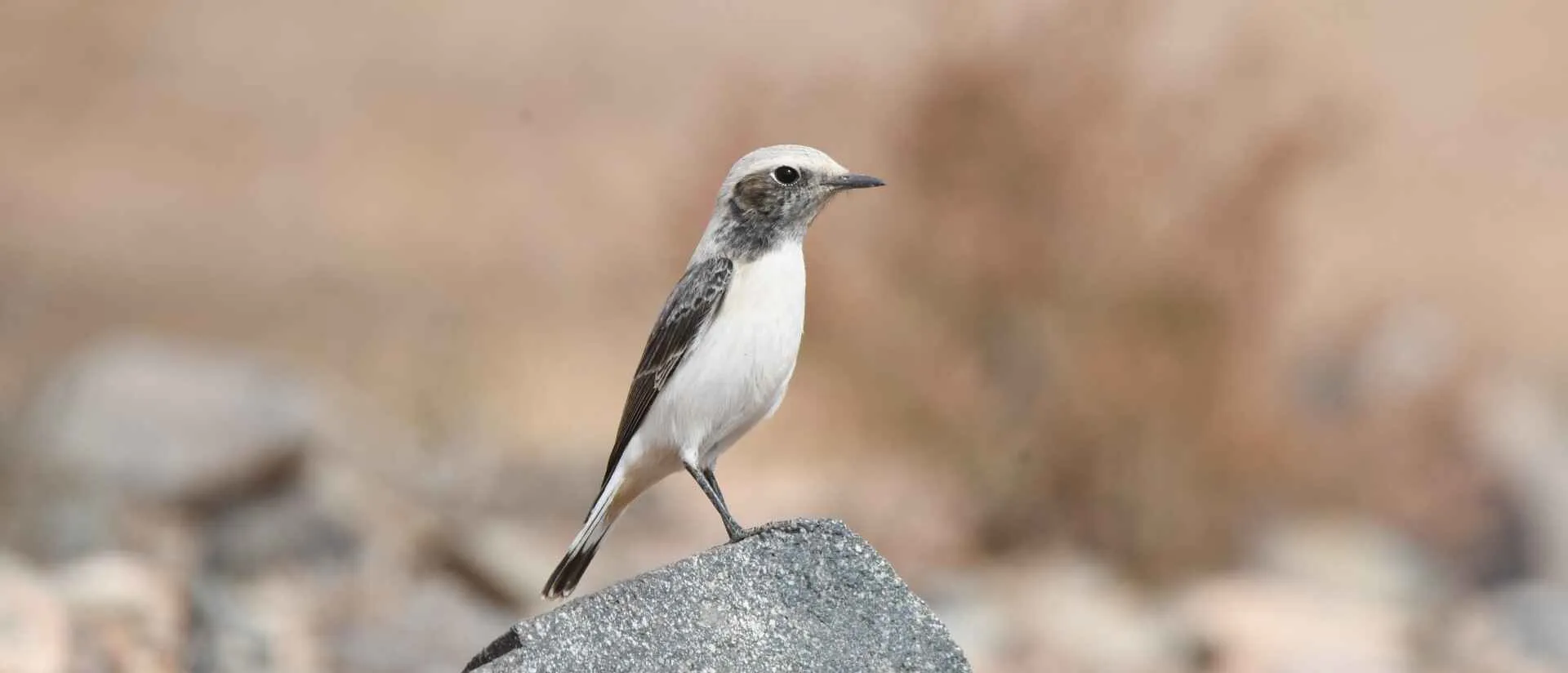
Oenanthe halophila
Scarce and patchily distributed on open stony ground — a bird that rewards knowing where to stop.
Tagdilt, southern stone deserts
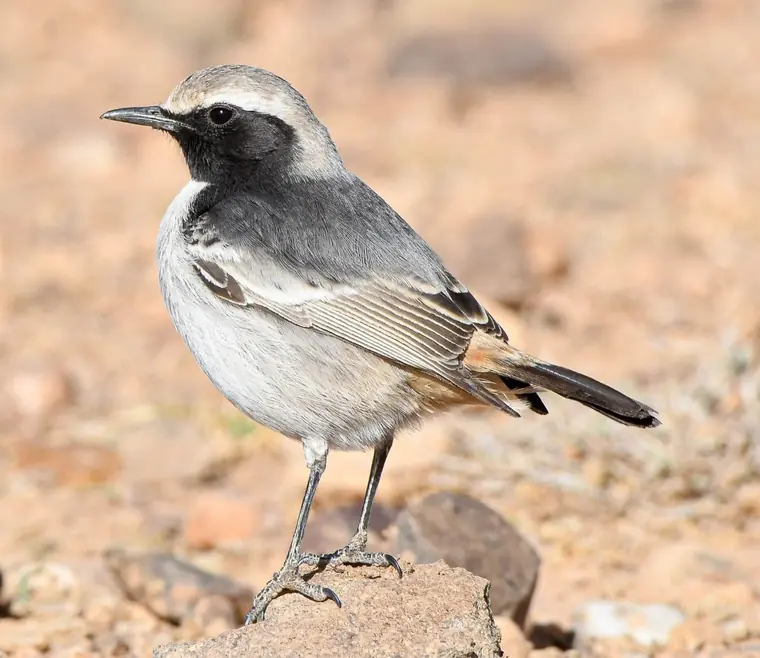
Oenanthe moesta
Bulky and long-billed, on flat open plains where it nests in old rodent burrows.
Tagdilt Track, southern plains

Chersophilus duponti
Among the hardest birds in the Western Palearctic. Heard at dawn far more often than seen.
Zaida plain

Pterocles orientalis
Bulky and cryptic on the open steppe, usually heard flying over before it is seen.
Tagdilt Track, Zaida plain
Coast & Wetlands
Morocco’s Atlantic estuaries, lagoons and reservoirs are important for wintering and migrating waterbirds — and hold one of the rarest birds in the world.
Geronticus eremita
The last truly wild population in the world feeds in the coastal fields around Tamri.
Tamri, Souss-Massa
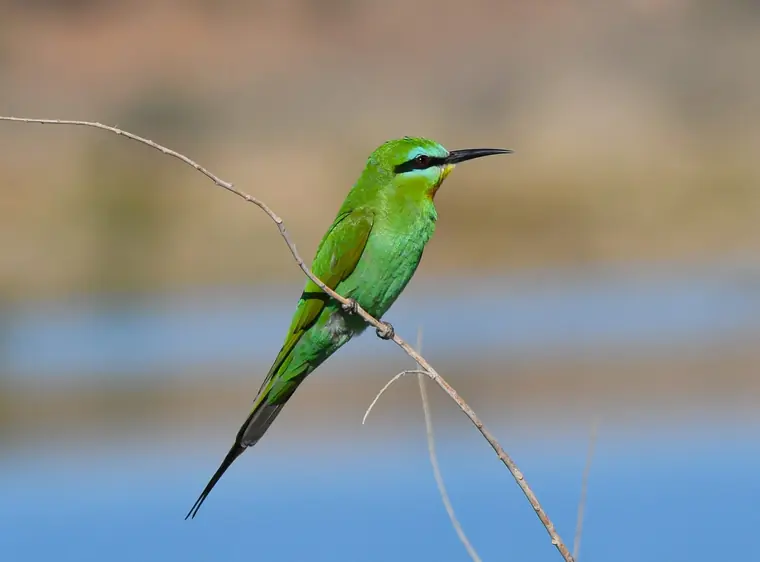
Merops persicus
A spring and summer visitor to oases and river valleys in the south.
Southern oases, Draa Valley

Marmaronetta angustirostris
A globally threatened duck, regular on Moroccan wetlands.
Oued Massa, Sidi Bourhaba
Western Sahara Specialities
Dakhla and the desert inland at Aousserd sit at the southern edge of the Western Palearctic, and hold species found nowhere else in the region.

Caprimulgus eximius
A true Sahelian species at the very northern edge of its range.
Oued Jenna, Aousserd

Spiloptila clamans
Also called Cricket Longtail. Restless parties in acacia scrub.
Oued Jenna
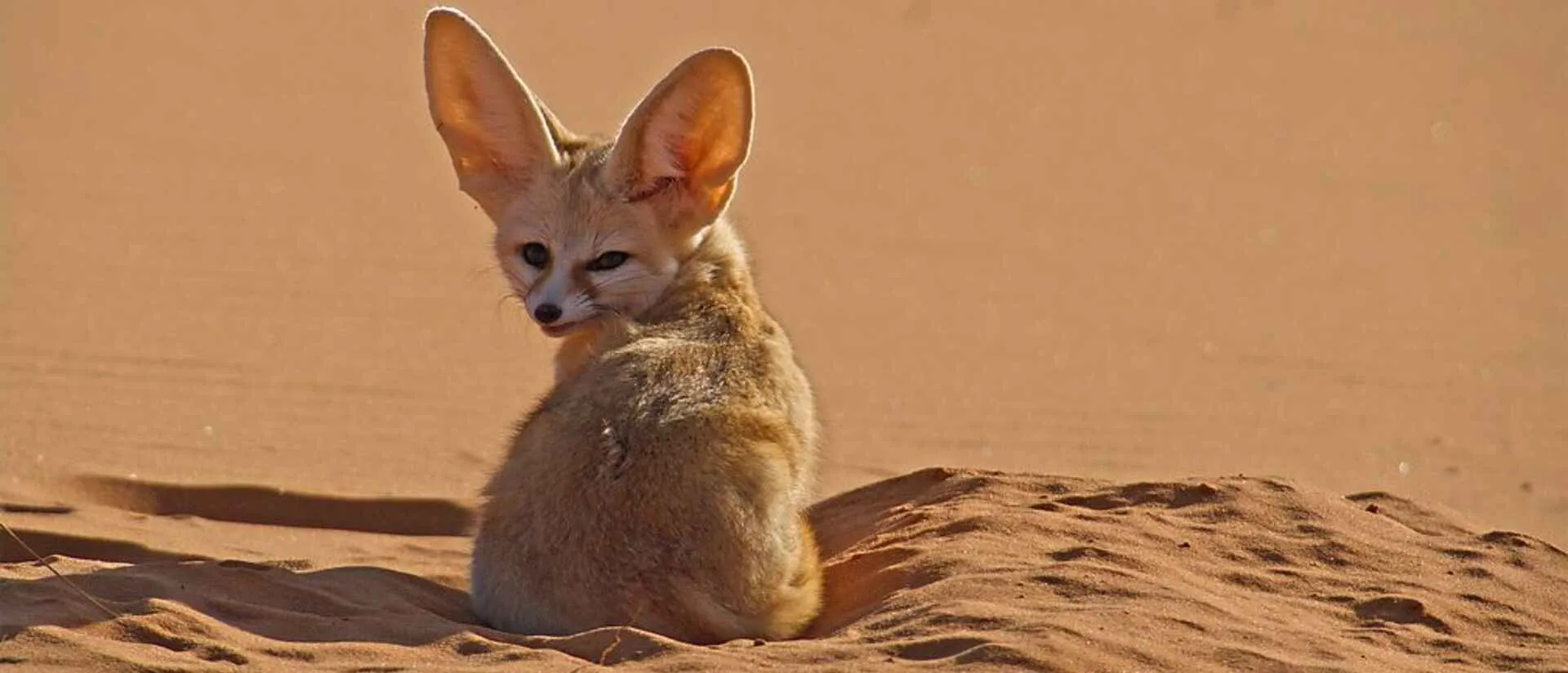
Vulpes zerda
Not a bird, but regularly seen on our night excursions.
Oued Jenna, Aousserd

Felis margarita
The most wanted mammal in the Sahara, and a genuine possibility on night drives.
Aousserd
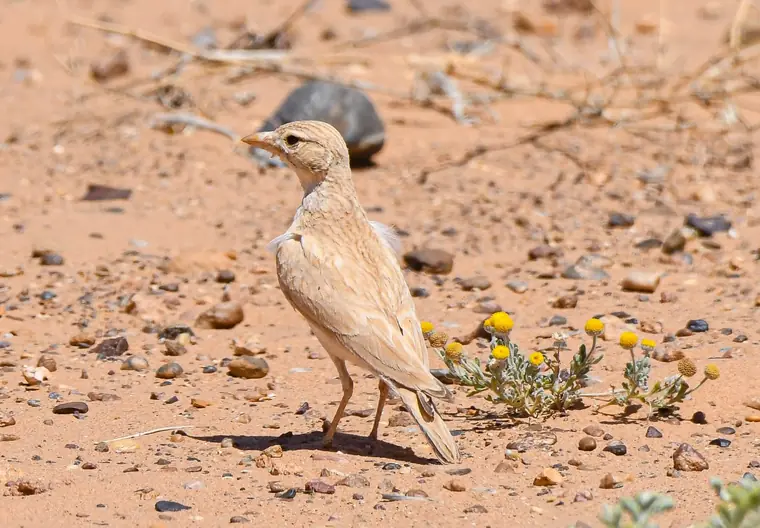
Eremalauda dunni
Scarce and nomadic on the open desert plains.
Aousserd
Tell us your target list and we will build an itinerary and a season around it.